
Chemical Peels for Hyperpigmentation and Dark Spots: How Many Sessions and What to Expect
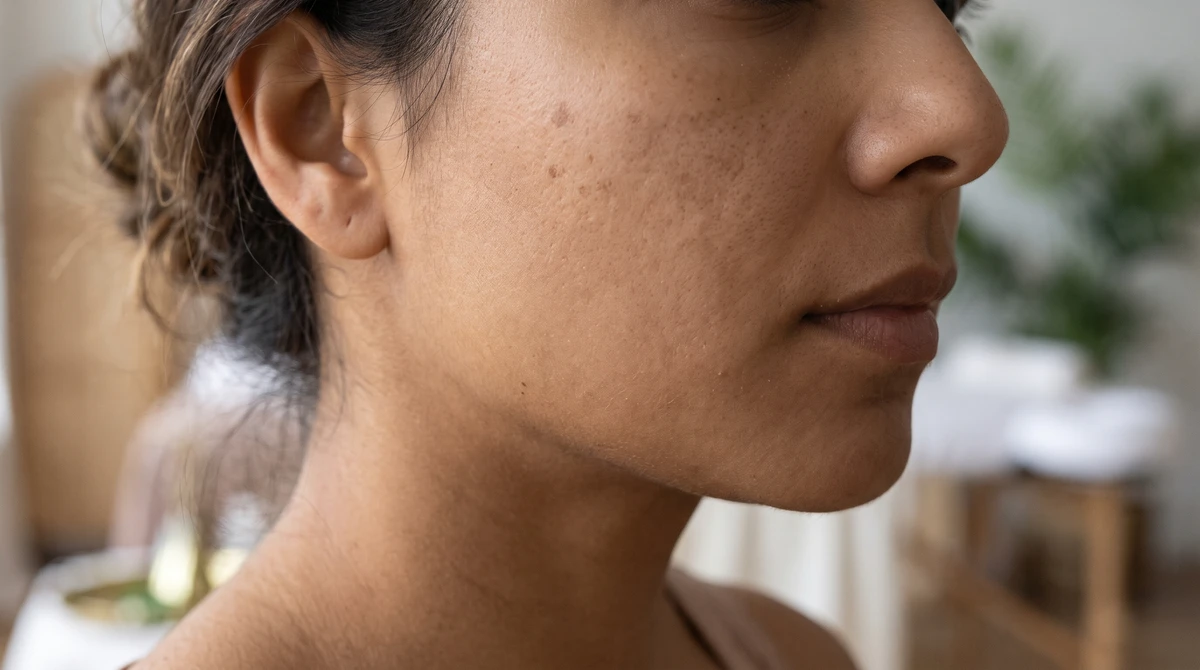
A chemical peel can fade many types of hyperpigmentation, including sun spots, age spots, dark marks left by acne and general uneven skin tone. A light glycolic peel removes the top layer of dull, pigmented cells and speeds up skin renewal, so spots lighten a little more with each session. Most people need a series of three to six peels spaced 4 to 6 weeks apart for clear results. Daily sunscreen is just as important as the peel itself, because sun exposure brings dark spots back. This guide explains which spots respond best and how many sessions you need.
What Types of Hyperpigmentation Can a Chemical Peel Treat?
A chemical peel works best on pigment that sits near the surface of the skin. That includes sun spots, freckles, age spots, post inflammatory hyperpigmentation (the flat dark marks left after acne or irritation) and dull, uneven tone from sun damage. These spots often improve with a series of light peels. Deeper or hormonal pigment, such as melasma, is harder to treat and needs a more careful plan.
| Type of pigment | What it looks like | How well a light peel helps |
|---|---|---|
| Sun spots and age spots | Flat tan or brown spots on sun exposed areas | Good, over a series |
| Post inflammatory hyperpigmentation (PIH) | Flat dark marks after acne, bites or irritation | Good, with gentle settings |
| Uneven tone from sun damage | Blotchy, dull patches | Good |
| Freckles | Small, light brown dots | Fair, they return with sun |
| Melasma | Larger, symmetrical patches on cheeks, forehead or lip | Limited, needs a doctor led plan |
How Do Chemical Peels Treat Hyperpigmentation?
Chemical peels treat hyperpigmentation by loosening the bonds between dead surface cells so they shed faster. Many of those cells carry extra pigment, so removing them lightens the spot step by step. Glycolic acid also encourages fresh cells to rise to the surface more quickly. Over several sessions, this steady renewal evens out tone and brightens the skin.
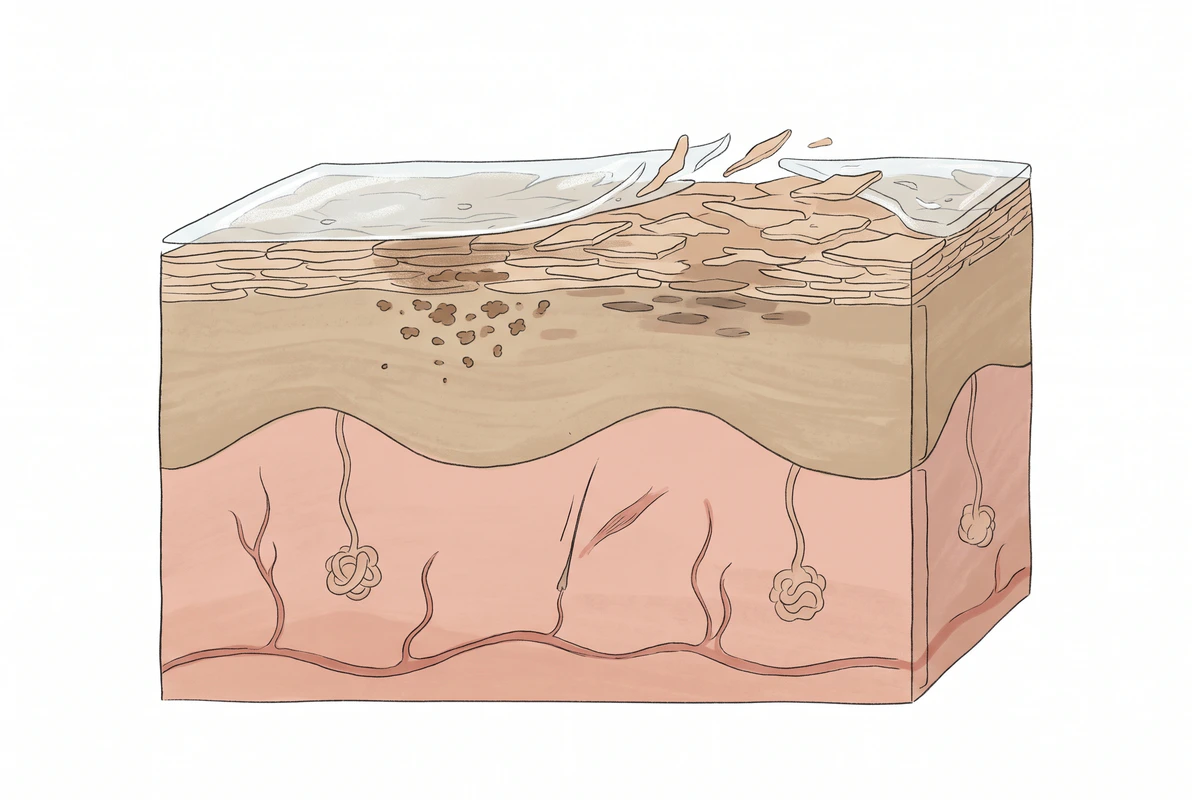
A peel does not bleach the skin or change your natural skin color. It only clears excess pigment from the surface layers, which is why a chemical peel for skin lightening is not an accurate way to describe what it does. The goal is even tone, not lighter skin.
Will a Chemical Peel Remove Dark Spots?
A chemical peel will fade most surface dark spots, but it rarely removes them completely in one session. Each peel lifts a little more pigment, so spots look lighter and softer over time. Small sun spots and recent acne marks usually respond fastest. Older, darker spots may need more sessions or a medical treatment from a dermatologist.
Expect gradual change rather than a sudden result. Spots can even look darker for a day or two after a peel, because pigmented cells come to the surface before they shed. This is normal and usually settles as the skin flakes. Our guide to chemical peel recovery day by day shows what each stage looks like.
How Many Chemical Peels Do You Need for Hyperpigmentation?
Most people need three to six chemical peels for hyperpigmentation, spaced 4 to 6 weeks apart. Light sun spots and fresh acne marks may fade after three sessions. Older or darker spots often need six or more. After your series, a maintenance peel every two to three months helps keep tone even.
Your home routine makes a big difference to how fast you see results. Ingredients such as vitamin C, niacinamide, azelaic acid and retinol support fading between sessions when your provider says it is safe to use them. The American Academy of Dermatology notes that a spot a few shades darker than your natural skin often takes 6 to 12 months to fade once its cause is stopped. Peels help speed up that process.
What Is the Best Chemical Peel for Hyperpigmentation?
The best chemical peel for hyperpigmentation is one matched to your skin tone, the type of pigment and how your skin reacts to treatment. For most surface spots, a superficial peel with glycolic acid is a safe, effective first choice. Lactic and mandelic acid are gentler options for sensitive skin. Medium depth TCA peels reach deeper pigment but carry more downtime and more risk, so they are done by doctors.
Our guide to the types of chemical peels compares each acid and depth. At our spa, Luzmila uses a superficial glycolic chemical peel and adjusts the timing to your skin. She starts gently and only builds strength once she sees how your skin responds.
Best Peel for Hyperpigmentation on Dark Skin
The best peel for hyperpigmentation on dark skin is a gentle superficial peel used with careful settings and good aftercare. Darker skin tones make pigment more easily, so any irritation can leave new dark marks. Cleveland Clinic notes that darker skin tones have a higher risk of post inflammatory hyperpigmentation after a peel. That is why strong peels are not the right choice for most people with medium and deep skin tones.
A safe plan starts light and builds slowly. Your provider may suggest preparing your skin at home for a few weeks before your first peel. Strict sunscreen, no picking and no harsh scrubs during recovery protect your results. A patch test or lighter first session helps show how your skin responds.
Chemical Peels for Melasma
Chemical peels can help some cases of melasma, but they are not a first treatment on their own. Melasma is driven by hormones, heat and light, so it often returns even after it fades. The American Academy of Dermatology lists chemical peels as an option when melasma persists despite medication and sun protection. If you think you have melasma, see a dermatologist first, and Luzmila can work alongside their plan.
How to Protect Your Results
Protecting your skin from the sun is the most important step after a chemical peel for hyperpigmentation. New skin is more sensitive, and even short sun exposure can trigger new spots. Use a broad spectrum sunscreen with SPF 30 or higher every day and reapply when you are outside. A tinted sunscreen with iron oxide adds protection against visible light, which also darkens spots.
Wear a wide brimmed hat and seek shade during the strongest midday sun. In South Florida, that means sun protection every day of the year, not just in summer. Avoid picking at spots or flakes, since irritation creates new marks.
Can You Use an At-Home Peel for Dark Spots?
You can use a gentle at-home peel for light dark spots, but results are slower and smaller than with professional peels. Low strength glycolic or lactic acid products help with upkeep between sessions. Strong peel acids sold online are risky, especially for darker skin. Our guide to at-home chemical peels vs professional peels explains which products are safe to try.
Frequently Asked Questions
Do chemical peels help with hyperpigmentation?
Yes. Chemical peels help with many types of hyperpigmentation, especially sun spots, age spots, acne marks and uneven tone. They remove pigmented surface cells and speed up renewal, so spots fade over a series of sessions. Melasma is harder to treat and needs a plan led by a dermatologist.
How long does it take for dark spots to fade after a chemical peel?
Dark spots usually start to look lighter one to two weeks after a peel, once the skin has finished flaking. Clear fading normally takes a series of three to six peels over several months. Daily sunscreen is essential, because sun exposure can darken spots again and slow your progress.
Can a chemical peel make hyperpigmentation worse?
Yes, it can if the peel is too strong for your skin or if aftercare is poor. Irritation, picking and sun exposure can trigger new dark marks, especially in darker skin tones. Choosing a gentle superficial peel, following aftercare and wearing sunscreen every day keeps this risk low.
Is a chemical peel safe for dark skin hyperpigmentation?
A gentle superficial chemical peel is safe for most darker skin tones when it is done by an experienced provider. Light glycolic, lactic or mandelic peels with careful timing carry low risk. Strong peels raise the risk of new dark marks, so start light and build slowly.
This article is for general education and is not medical advice. Melasma and spots that change in size, shape or color should be checked by a dermatologist.
Sources
- American Academy of Dermatology. How to fade dark spots in darker skin tones.
- American Academy of Dermatology. Melasma: diagnosis and treatment.
- Cleveland Clinic. Chemical peels: types of peels, conditions treated, what to expect.