
Types of Chemical Peels: Superficial vs Medium vs Deep, and Which One You Need
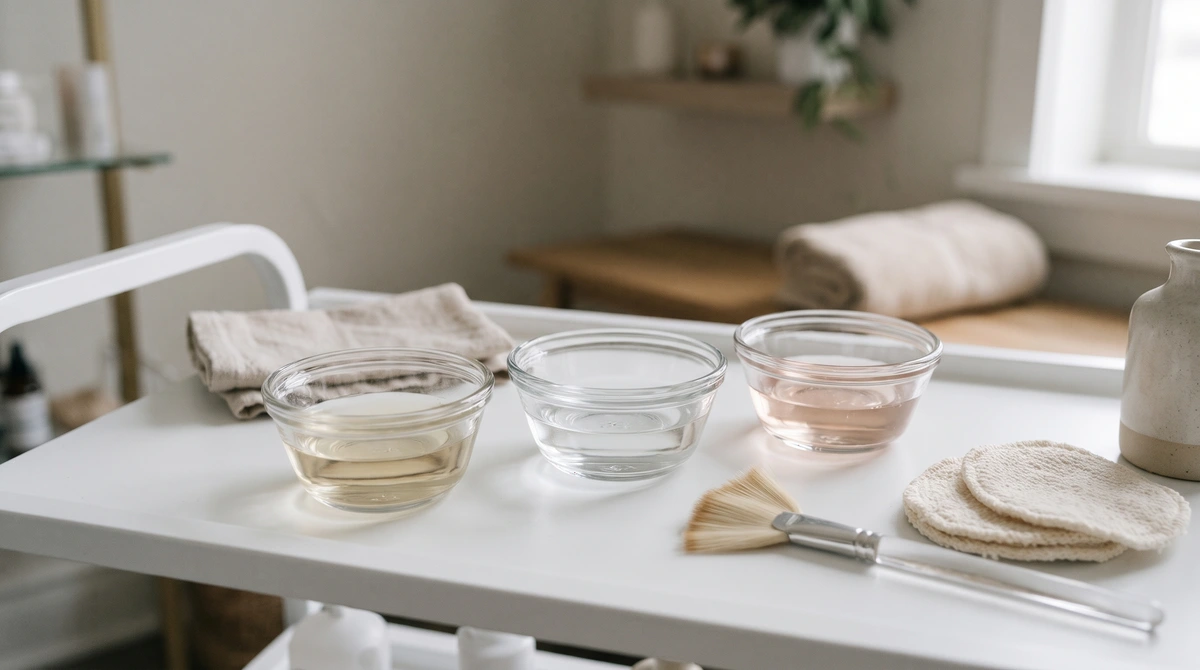
There are three main types of chemical peels: superficial, medium and deep. Superficial peels use mild acids such as glycolic, lactic, mandelic or salicylic acid and work on the outer layer with little downtime. Medium peels usually use trichloroacetic acid (TCA) to reach the upper middle layer of skin, with about a week or more of recovery. Deep peels use phenol, reach the lower middle layer and need weeks of healing under a doctor’s care.
The right type depends on your skin concern, skin tone and how much downtime you can take. This guide explains each depth, the acids involved and which peel suits which goal. It also covers frosting, medical grade peels and the strongest products sold online.
The Three Depths of Chemical Peels
Chemical peels are grouped by how deep the acid travels into the skin. The deeper the peel, the bigger the change and the longer the recovery. A review in the Journal of Clinical and Aesthetic Dermatology explains that depth depends on the acid, its strength, how it is applied and how long it stays on. Your skin type and how it was prepared also affect how deep a peel goes.
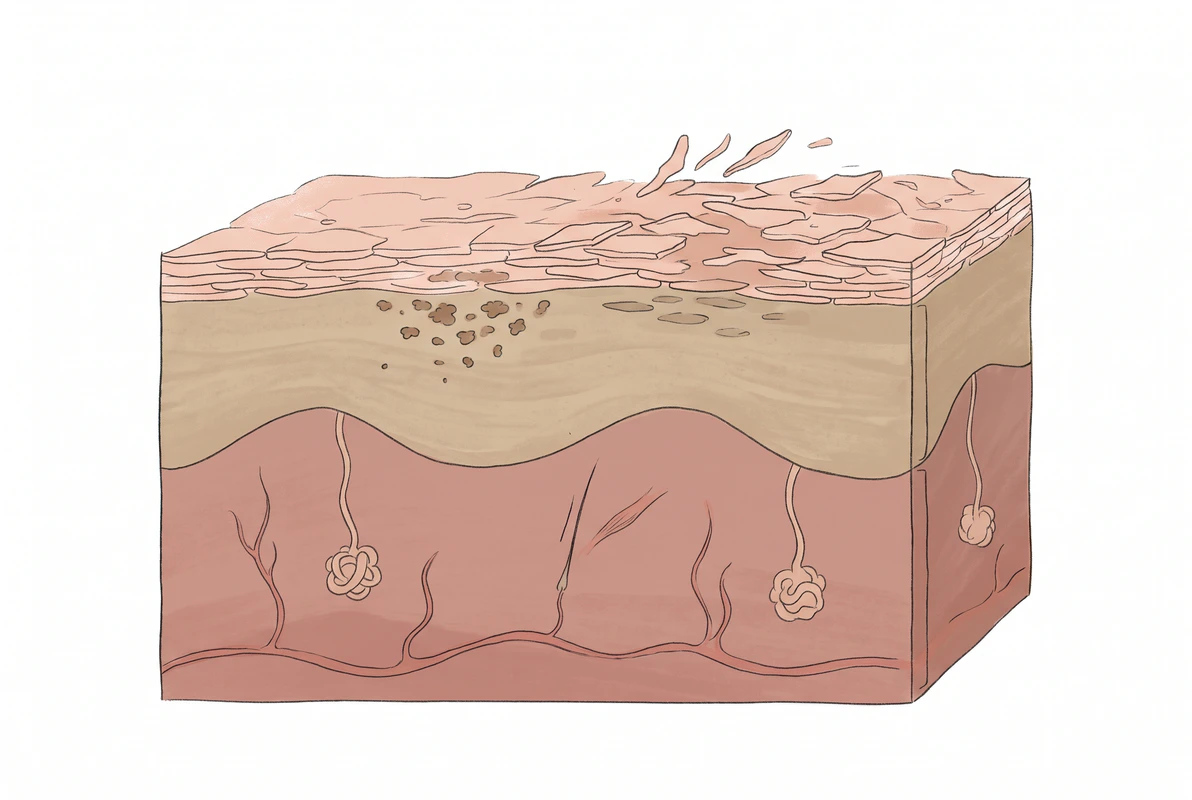
| Peel type | Common acids | Best for | Healing time | Who performs it |
|---|---|---|---|---|
| Superficial (light) | Glycolic, lactic, mandelic, salicylic, light Jessner | Dullness, texture, mild spots, acne marks | 1 to 7 days | Licensed esthetician or doctor |
| Medium | TCA, Jessner plus TCA | Deeper spots, sun damage, fine lines, some scars | 7 to 14 days | Doctor |
| Deep | Phenol (often with croton oil) | Deep wrinkles, severe sun damage | 14 to 21 days or more | Doctor, often with sedation |
Healing times above follow the American Academy of Dermatology. The AAD also notes that a person can have only one deep peel, while lighter peels can be repeated. That is one reason most people start with a superficial series.
What Is a Superficial Chemical Peel?
A superficial chemical peel is a light peel that only affects the outermost layer of skin. It is often called a lunchtime peel because most people go back to their day right after. It improves dullness, rough texture, clogged pores, mild sun spots and acne marks, usually over a series of sessions. Downtime is mild, with pinkness and light flaking for a few days.
The glycolic chemical peel at our Deerfield Beach spa is a superficial peel. Glycolic acid has a small molecule that spreads evenly across the skin, which makes it predictable and easy to control. Our chemical peel recovery day by day guide shows what healing looks like after this type of peel.
Superficial Peel Acids Compared
Superficial peels use different acids that suit different skin types. Each one works a little differently on the skin. These are the most common.
- Glycolic acid. The most widely used AHA, good for dullness, texture and sun spots.
- Lactic acid. A gentler AHA that also hydrates, often chosen for dry or sensitive skin.
- Mandelic acid. A larger AHA that absorbs slowly, a good option for sensitive and darker skin.
- Salicylic acid. A BHA that dissolves oil inside pores, best for oily and acne prone skin.
- Jessner solution. A blend of salicylic acid, lactic acid and resorcinol, used light or as a base for TCA.
Our guide comparing glycolic, salicylic, lactic and mandelic peels goes into each acid in more depth. It explains which acid suits oily, dry, sensitive and darker skin. Your provider can also blend or alternate acids across a series.
What Is a TCA Chemical Peel?
A TCA chemical peel uses trichloroacetic acid, and at higher strengths it is the most common medium depth peel. It treats deeper sun damage, stubborn pigment, fine lines and some acne scars. Recovery usually takes a week or more, with darkening, swelling and sheet like peeling. Cleveland Clinic notes that medium peels remove the outer layer and part of the middle layer of skin.
Because TCA peels go deeper, they carry more risk of pigment changes and scarring. They are performed by doctors who prepare the skin first and follow up during healing. They are not offered at our spa, and strong TCA should never be used at home.
What Is a Deep Chemical Peel?
A deep chemical peel uses phenol to reach the lower middle layer of skin, and it is the strongest type of chemical peel. It treats deep wrinkles and severe sun damage with dramatic results. It also needs two to three weeks of healing, months of sun avoidance and medical monitoring during the procedure. Deep peels are done by doctors in a medical setting and are not a spa treatment.
What Is Chemical Peel Frosting?
Chemical peel frosting is a white coating that appears on the skin during some peels, mostly TCA and Jessner peels. It forms when the acid reacts with proteins in the skin, and it helps the provider judge how deep the peel has gone. Providers often describe three frost levels.
- Level 1. Pink skin with light, patchy white streaks, seen with lighter peels.
- Level 2. A white frost with pink still showing through, typical of medium peels.
- Level 3. A solid, even white frost, which signals a deeper peel.
Light glycolic peels usually do not frost. Instead, your provider watches for even pinkness and removes or neutralizes the acid at the right time. Glycolic acid needs to be neutralized or rinsed, while TCA, salicylic acid and Jessner solution are self neutralizing.
What Is a Medical Grade Chemical Peel?
A medical grade chemical peel is a professional peel that is stronger than products sold for home use. The term is often used in marketing and has no official definition. What matters is the acid, its strength, who applies it and whether the peel suits your skin. A well matched superficial peel from a trained provider is usually the safest place to start.
What Is the Strongest Chemical Peel You Can Buy?
The strongest chemical peels sold online are not safe to use at home. In July 2024, the U.S. Food and Drug Administration warned against buying or using high strength peel products without professional supervision, after reports of severe burns and scarring. Gentle home products are fine for upkeep. Our guide to at-home chemical peels vs professional peels covers the safe options.
Which Chemical Peel Is Best for You?
The best chemical peel is the gentlest one that can reach your goal. For dullness, rough texture, pores and light spots, a superficial peel is usually enough. For acne marks and shallow texture, a series of light peels helps, and our guide to chemical peels for acne scars explains what to expect. For deep wrinkles or deep scars, a dermatologist can tell you whether a medium or deep peel, laser or another treatment fits better.
Frequently Asked Questions
What are the 3 types of chemical peels?
The three types of chemical peels are superficial, medium and deep. Superficial peels use mild acids like glycolic acid and treat the outer layer. Medium peels usually use TCA and reach deeper with about a week of recovery. Deep peels use phenol, give the biggest change and need weeks of healing.
Which chemical peel is the best?
The best chemical peel is the one matched to your skin concern, skin tone and downtime. For most people, a superficial glycolic peel is the best first choice for dullness, texture and light spots. Deeper peels suit deeper problems but carry more risk and should be done by doctors.
What is in a chemical peel?
A chemical peel contains one or more acids that loosen and remove damaged surface cells. Common ones are glycolic, lactic, mandelic and salicylic acid for light peels, TCA for medium peels and phenol for deep peels. The acid, its strength and how long it stays on decide how deep the peel goes.
Is a light chemical peel worth it?
Yes, a light chemical peel is worth it for dullness, rough texture, clogged pores and mild dark spots. It gives visible brightness with little downtime and builds results over a series. It will not fix deep wrinkles or deep scars, which need stronger treatments from a doctor.
This article is for general education and is not medical advice. Medium and deep chemical peels are medical procedures that must be performed by a licensed physician.
Sources
- Soleymani T, Lanoue J, Rahman Z. A practical approach to chemical peels: a review of fundamentals and step by step algorithmic protocol for treatment. Journal of Clinical and Aesthetic Dermatology, 2018.
- American Academy of Dermatology. Chemical peels: FAQs.
- Cleveland Clinic. Chemical peels: types of peels, conditions treated, what to expect.
- U.S. Food and Drug Administration. FDA warns against purchasing or using chemical peel skin products without professional supervision. July 2024.