
At-Home Chemical Peels vs Professional Peels: What Is Safe and What Actually Works
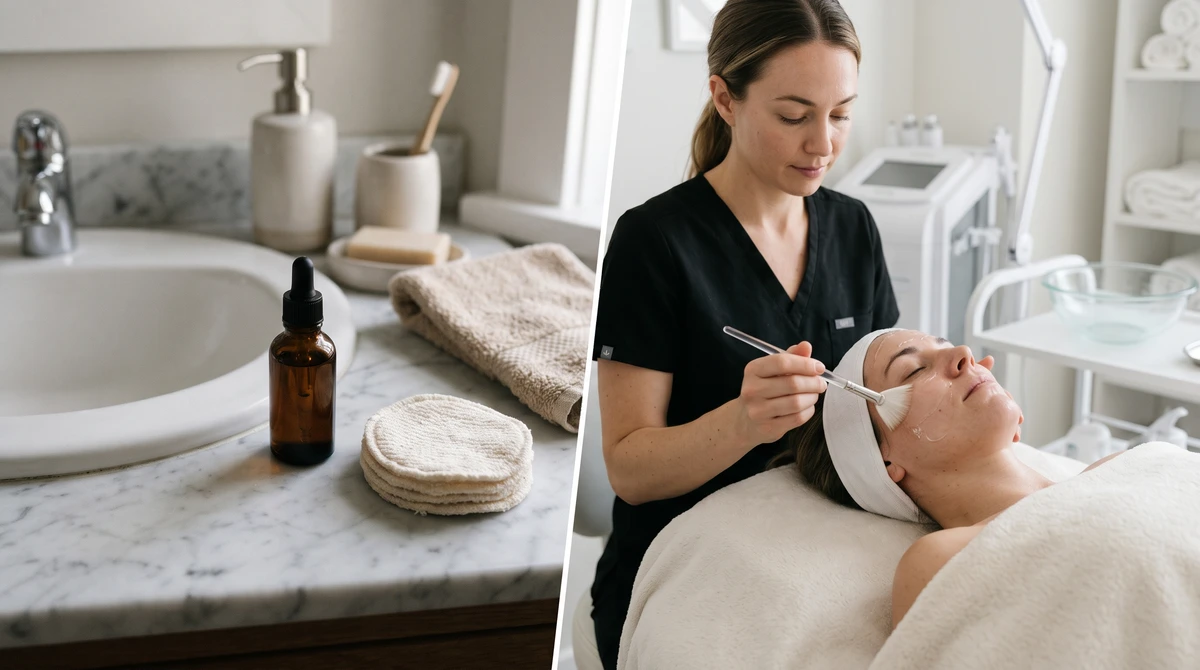
You can do a mild chemical peel at home, but it is not the same as a professional peel. At-home peels use low concentrations of acids such as glycolic, lactic or salicylic acid, so they refresh the surface slowly and safely when used as directed. Professional peels use stronger, controlled formulas applied by a trained provider who checks your skin first. Strong peel acids sold online for home use can cause burns and scarring, and they are not worth the risk. This guide compares the two and shows which home peels are gentle enough to try.
Can You Do a Chemical Peel at Home?
Yes, you can do a gentle chemical peel at home if you choose a low strength product made for home use. These products usually come as rinse off peel solutions, peel pads or leave on serums with glycolic, lactic, mandelic or salicylic acid. They brighten dull skin, smooth rough texture and help keep pores clear. What they cannot do is match the depth or speed of a professional peel.
The real danger is high strength peel acids sold online. In July 2024, the U.S. Food and Drug Administration warned consumers not to buy or use certain chemical peel products without professional supervision. It named products with very high levels of trichloroacetic acid (TCA), glycolic, lactic and salicylic acid and reported severe burns, infections, skin color changes and disfiguring scars. The FDA also noted that it has never approved a chemical peel product.
At-Home vs Professional Chemical Peels Compared
The biggest differences between a home peel kit and a professional peel are strength, control and the skin check. A home product is designed to be safe without supervision, so it has to be mild. A professional peel can be stronger because a trained provider is watching your skin the whole time.
| Feature | Home peel kit | Professional peel |
|---|---|---|
| Acid strength | Low, made for home use | Higher, controlled and timed |
| Who applies it | You | Trained, licensed provider |
| Skin check first | None | Yes, skin type, history and medications |
| Results | Gradual glow and smoother texture | Faster, more visible change in tone and texture |
| Downtime | Usually none | Light flaking for a few days with a light peel |
| Main risk | Overuse, irritation, burns from strong DIY acids | Low when the peel matches your skin |
How a Professional Peel Is Different
A professional chemical peel is different because the provider controls every step. Your skin is cleansed and prepped, the acid is applied evenly, the timing is watched closely and the peel is neutralized or removed at the right moment. The provider also checks your skin type, current products and medications before choosing the peel. That skin check is what keeps a stronger peel safe.
At our spa, the glycolic chemical peel is a superficial peel, which means it works on the outer layers of skin with short recovery. Stronger medium and deep peels, such as TCA and phenol peels, are medical procedures done by doctors. Our guide to the types of chemical peels explains how each depth works.
Best At-Home Chemical Peels (Gentle Options)
The best home peel is a low strength product that suits your skin type and that you use exactly as directed. Instead of chasing a brand, check the label for the acid type and a gentle strength. Read each label, patch test first and start with less time than the maximum. These are the main types to look for.
- A rinse off peel with glycolic and salicylic acid. A ten minute weekly peel for normal and oily skin. It is not for sensitive skin or for beginners to acids.
- A weekly AHA and BHA exfoliating peel. A gentle option for dullness, rough texture and uneven tone, used once a week.
- Two step peel pads with a mix of light acids. A mild choice for people who want regular, light exfoliation.
- A leave on lactic acid treatment. Often easier on drier skin than glycolic acid.
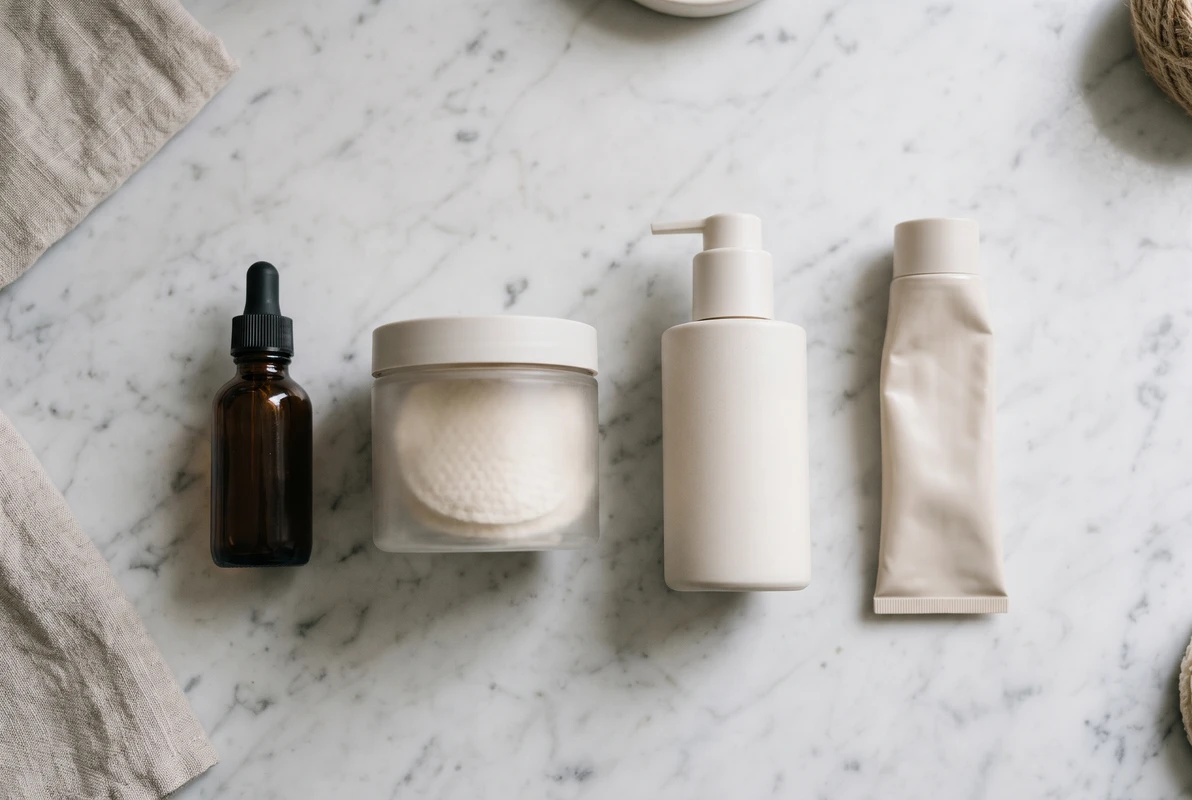
Use only one acid product at a time, and do not layer a peel with retinol on the same night. Always follow with a plain moisturizer and use sunscreen every morning. More acid is not better, and overdoing it is the most common home peel mistake.
Best At-Home Chemical Peel for Hyperpigmentation and Acne Scars
At-home peels can help fade light dark spots and post acne marks over time, but they cannot fix deep acne scars. Glycolic and lactic acid speed up cell turnover, which helps surface pigment lift slowly with steady use and daily sunscreen. Results take weeks to months, not days. Indented scars sit deeper in the skin, so they need professional treatment instead.
If you have darker skin, be extra careful with acids at home. Irritation can trigger new dark spots, which is the opposite of what you want. Our guide to chemical peels for hyperpigmentation explains how professional peels treat pigment more safely.
How to Do a Chemical Peel at Home Safely
To do a chemical peel at home safely, choose a gentle product and follow a careful routine. These steps lower your risk of irritation. Read the full label before you start.
- Patch test on the side of your neck or jaw and wait 24 hours.
- Cleanse with a gentle cleanser and pat skin completely dry.
- Apply a thin, even layer and avoid the eyes, lips and nostrils.
- Leave it on for less time than the label allows the first time.
- Rinse well with cool water and apply a plain moisturizer.
- Use broad spectrum SPF 30 or higher every morning.
The American Academy of Dermatology advises choosing an exfoliation method that suits your skin type and checking whether your current products, such as retinol, already make your skin more sensitive. Stop right away if a product burns, stings strongly or causes swelling. Mild tingling for a minute is common, but real pain is a sign to rinse it off.
Who Should Skip At-Home Peels?
Some people should skip at-home peels or ask a professional first. This includes anyone who is pregnant or breastfeeding, anyone who has used isotretinoin recently and anyone with active cold sores, open cuts, eczema or rosacea on the face. People with very sensitive skin or a history of dark marks after irritation should also be careful. A professional can tell you whether any peel is right for you.
When to Choose a Professional Peel
Choose a professional peel when home products have stopped giving results or when you want faster, more visible change. A professional peel suits dark spots, sun damage, acne marks, dullness and rough texture that have not improved with home care. It also suits anyone who wants a peel matched to their skin tone and history. Most clients start with a series of peels spaced 4 to 6 weeks apart, with gentle home care in between.
If you are trying a professional peel for the first time, it helps to know what recovery looks like. Our chemical peel recovery day by day guide shows what to expect each day after treatment. Knowing the timeline makes it easy to plan your peel around work and events.
Frequently Asked Questions
Are at-home chemical peels safe?
Gentle home peels are safe for most people when used as directed. Low strength glycolic, lactic or salicylic acid products made for home use carry little risk. High strength peel acids sold online are not safe for home use, and the FDA has warned that they can cause burns, infections and scarring.
What is the best at-home chemical peel?
The best choice is a low strength product that suits your skin type. Rinse off peels with glycolic and salicylic acid suit normal and oily skin, while lactic acid suits drier or more sensitive skin. Patch test first, start slowly and use sunscreen every day.
How often can you do a chemical peel at home?
Most rinse off at-home peels are used once a week at most, while daily peel pads are milder and made for more regular use. Follow the label and reduce use if skin feels tight, red or sore. Never combine a home peel with retinol or another acid on the same night.
Is a professional chemical peel better than an at-home peel?
A professional chemical peel gives faster, more visible results than an at-home peel because it uses a stronger formula applied under control. It also includes a skin check to match the peel to your skin. At-home peels are best for gentle upkeep between professional treatments.
This article is for general education and is not medical advice. Stop any product that burns or swells your skin and contact a doctor.
Sources
- U.S. Food and Drug Administration. FDA warns against purchasing or using chemical peel skin products without professional supervision. July 2024.
- American Academy of Dermatology. How to safely exfoliate at home.