Dull Skin Explained: What It Looks Like and the Signs to Watch For
By
Attique
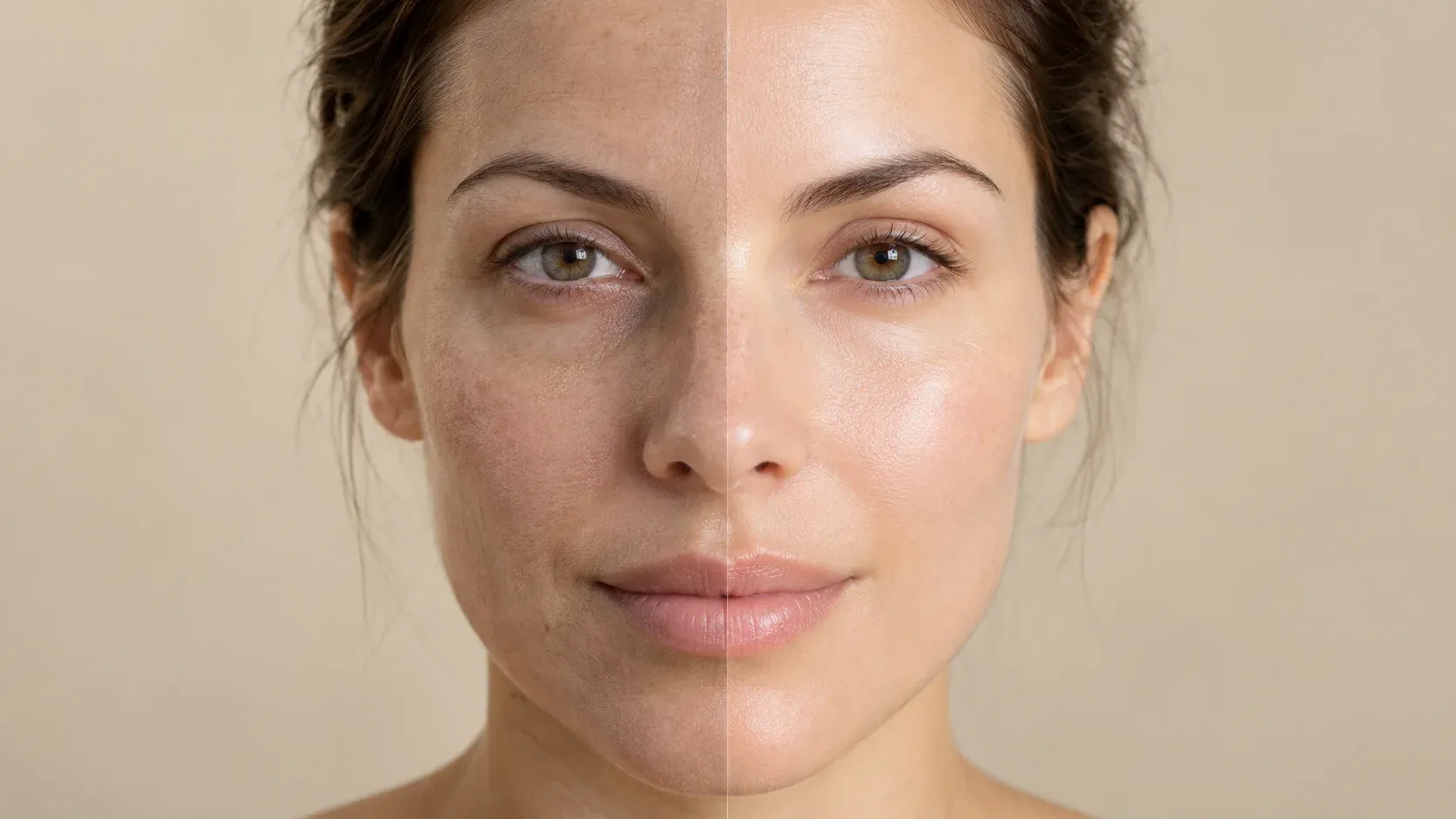
Dull skin is skin that has lost its natural brightness, so it looks flat, tired or slightly grey instead of fresh. It is not a skin type or a disease. It is a temporary look, and in most cases it can be reversed with the right care.
This guide explains what a dull complexion means, how to recognize it on your own face and what usually causes it. You will also learn when home care is enough and when a professional facial can help.
What Does Dull Skin Mean?
It means your face is reflecting less light than it normally does. Healthy skin has a smooth surface that bounces light back evenly, which reads as glow. When that surface becomes rough, dry or uneven, light scatters, and the skin looks matte and lifeless.
Think of it like a window. A clean window lets light shine through clearly. A dusty window looks cloudy, even though the glass underneath is fine.
The outer layer of your skin works the same way. It sheds old cells every few weeks, and new cells rise to replace them. When old cells pile up faster than they shed, the surface turns cloudy. Dryness, sun exposure and poor sleep make that cloudiness worse.
What Does Dull Skin Look Like?
It looks tired, flat and less even in color than usual, even when you are rested. People often say they look “washed out” or that their makeup no longer sits well. The change is usually gradual, so many people notice it first in photos or under bright bathroom light.
Common signs of dullness on your face
No natural glow. Your cheeks and forehead look matte, even right after cleansing.
A grey, yellow or sallow cast. Color looks muddy instead of warm and even.
Rough or bumpy texture. Skin feels uneven when you run your fingers across it.
Makeup that looks patchy. Foundation clings to dry spots or settles into texture.
Tight or thirsty feeling. Skin may feel tight a few minutes after washing.
Fine lines that look deeper. Dehydration makes small lines more visible.
Slow bounce back. Pillow marks or redness take longer to fade.
You do not need every sign on this list. Two or three that last more than a couple of weeks usually point to dullness rather than one bad night.
Dull vs Bright, Glowing Skin: How to Tell the Difference
The easiest way to tell dull from bright skin is to look at how light hits your face. Stand near a window and turn your head slowly. Bright skin shows a soft, even sheen across the cheekbones, while a dull complexion stays flat and matte.
Feature
Dull complexion
Bright, healthy skin
Light reflection
Flat and matte
Soft, even glow
Color
Grey, yellow or uneven
Warm and even
Texture
Rough, flaky or bumpy
Smooth to the touch
Hydration
Feels tight or thirsty
Feels comfortable and plump
Makeup
Looks patchy or cakey
Blends in smoothly
Fine lines
More noticeable
Softer, less visible
Normal skin falls somewhere between the two. It may not glow every day, but it does not look grey or rough either. If your skin used to look like the right column and now looks like the left, you are likely dealing with dullness.
Is Dullness a Skin Type?
No, dullness is a skin condition, not a skin type. Skin types such as dry, oily, combination and normal describe how much oil your skin makes, and they stay fairly stable. Dullness is a temporary change in how your skin looks, and it can affect every skin type.
Dry skin is the most likely to look dull because it lacks the oil that keeps the surface smooth. Oily skin can look dull too, often because of a buildup of oil, dead cells and pollution on the surface. Combination skin may look dull on the cheeks and shiny on the forehead at the same time.
What Causes Dull Skin?
The most common cause of a dull complexion is a buildup of dead skin cells on the surface. Other common causes include:
Dehydration and dryness, which leave the surface rough and less reflective.
Sun damage, which creates uneven color and rough texture over time.
Poor sleep. In a study published in the BMJ, people who were sleep deprived were rated as looking more tired and less healthy than after a normal night’s sleep.
Age, because cell turnover slows down as we get older.
Harsh or skipped skincare, including over scrubbing, which damages the skin barrier.
Each cause needs a slightly different fix. Our full guide on why your skin looks dull breaks down each cause and what to do about it.
How Do You Get Your Glow Back?
You get your glow back by clearing the dead cell buildup, putting water back into the skin and protecting it from further damage. For most people, that means four simple habits:
Exfoliate gently, one to three times a week. The American Academy of Dermatology advises choosing your method by skin type and warns that over exfoliating can leave skin red and irritated.
Moisturize right after washing. The AAD recommends applying moisturizer while skin is still damp to trap water in.
Wear sunscreen every morning. Daily SPF prevents the uneven color that makes skin look dull over time.
Sleep and drink enough water. Rest gives skin time to repair overnight.
A professional facial helps when home care has not brought your brightness back after four to six weeks. Professional treatments remove more dead cell buildup in one session than products can at home.
A microdermabrasion facial gently buffs away the dull outer layer and smooths texture. Dermaplaning lifts dead cells and fine facial hair for an instantly smoother surface. A HydraFacial cleanses and hydrates at the same time, which suits skin that is both dull and dehydrated. Compare all three in our guide to professional treatments for dull skin.
When Should You See a Doctor?
You should see a doctor if your skin turns noticeably yellow, grey or pale quickly and the change does not improve with good skincare. Sudden color changes can be linked to health issues such as anemia, thyroid problems or liver conditions, which need a medical check.
You should also see a board certified dermatologist if dullness comes with a rash, scaling, itching or patches that keep spreading. An esthetician treats the surface of healthy skin and will refer you when a concern needs medical care.
Frequently Asked Questions
What is dull skin on the face?
It is facial skin that has lost its normal brightness. It looks flat, tired or slightly grey because dead cells, dryness or an uneven surface stop light from bouncing off it evenly. It often shows first on the cheeks and forehead, where light hits the face most directly.
Is dull skin the same as dry skin?
No. Dry skin is a skin type that makes too little oil, while dullness is a look that any skin type can have. Dry skin often looks dull because its surface is rough and flaky. Oily and combination skin can also look dull when oil, pollution and dead cells build up on the surface.
Can dull skin go back to normal?
Yes. Dullness is usually temporary and responds well to steady care. Gentle exfoliation, daily moisturizer, morning sunscreen and better sleep bring back brightness for most people within a few weeks. If nothing changes after six weeks of consistent care, a professional facial or a skin assessment can find what is holding your skin back.
Can young people have dull skin?
Yes. Lack of sleep, dehydration, sun exposure, stress and skipping skincare can take the glow out of skin at any age, even in the teens and twenties. Younger skin usually bounces back faster because it renews itself more quickly. Building simple habits early, especially daily sunscreen, helps keep skin bright for longer.
Book Your Glow Reset in Deerfield Beach
If your skin still looks tired after weeks of good habits, a professional facial can clear the buildup that products leave behind. At SkinExpert LaPiel, every treatment starts with a personal skin assessment, so you get the facial your skin actually needs.
Call or WhatsApp (561) 929-0945 to book a complimentary consultation in English or Spanish. Visit us at 1000 E Hillsboro Blvd, Unit 201, Deerfield Beach, FL 33441. We welcome clients from Boca Raton, Pompano Beach, Lighthouse Point, Coconut Creek and across South Florida.
About the Author
Luzmila Dahlstrom, Licensed Esthetician. Luzmila is the founder of SkinExpert LaPiel and has more than 23 years of experience caring for skin in South Florida. She holds specialist certifications in microneedling, dermaplaning, microdermabrasion and European facial technique. She personally performs every treatment at the spa and consults in both English and Spanish. Learn more about Luzmila.
This article is for general education and is not medical advice. For skin changes that are sudden, painful or spreading, please see a board certified dermatologist or your doctor.