
Do Chemical Peels Help Acne Scars? What a Glycolic Peel Can and Cannot Do
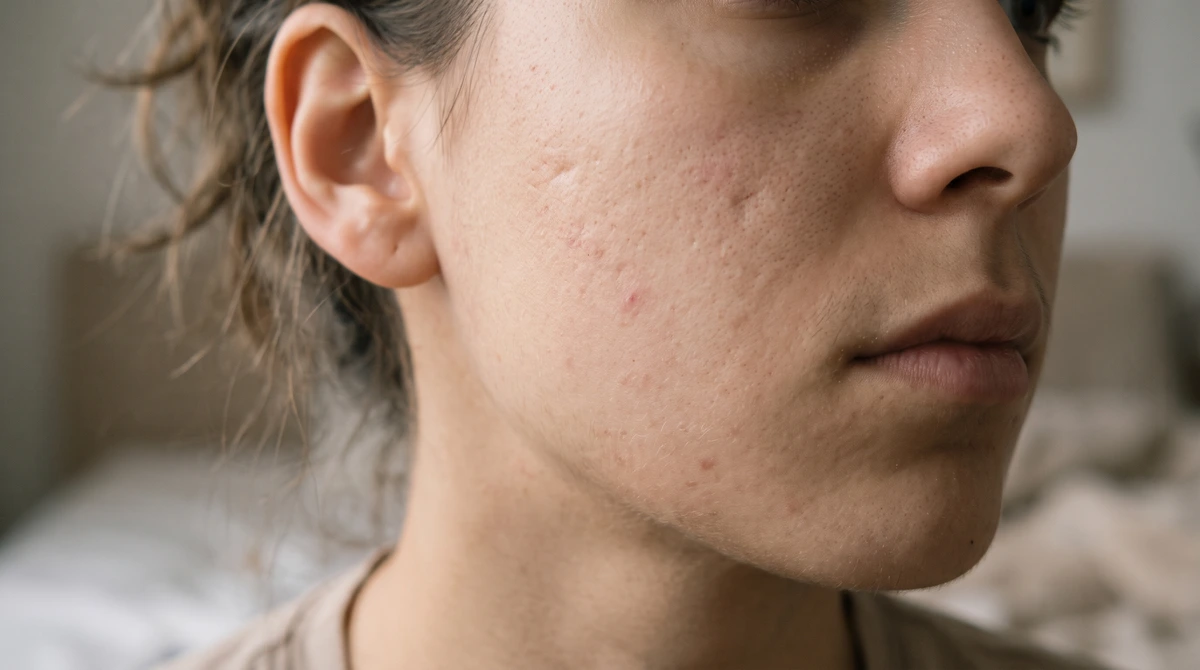
Chemical peels help some acne scars, but not all of them. A light glycolic peel works best on flat dark marks left by acne, rough texture and very shallow scars, and it improves them over a series of sessions. Deep scars, such as ice pick and deep boxcar scars, sit too far below the surface for a light peel to reach. Those scars respond better to microneedling or to medical treatments from a dermatologist. This guide explains which scars a peel can improve and how peels fit into a full acne scar plan.
Do Chemical Peels Help With Acne Scars?
Yes, chemical peels help with acne scars that are flat or shallow. A peel removes damaged surface cells and speeds up skin renewal, which fades dark marks and smooths uneven texture. Over several sessions, the skin looks clearer, brighter and more even. Deeper indented scars improve only a little, because the damage sits below the layer a light peel reaches.
The American Academy of Dermatology lists chemical peels among the treatments for depressed acne scars. It notes that mild and medium peels usually need several sessions and that deeper peels, chosen by a dermatologist, reach further. Stronger peels also bring more downtime and more risk.
Types of Acne Scars and Which Ones a Peel Helps
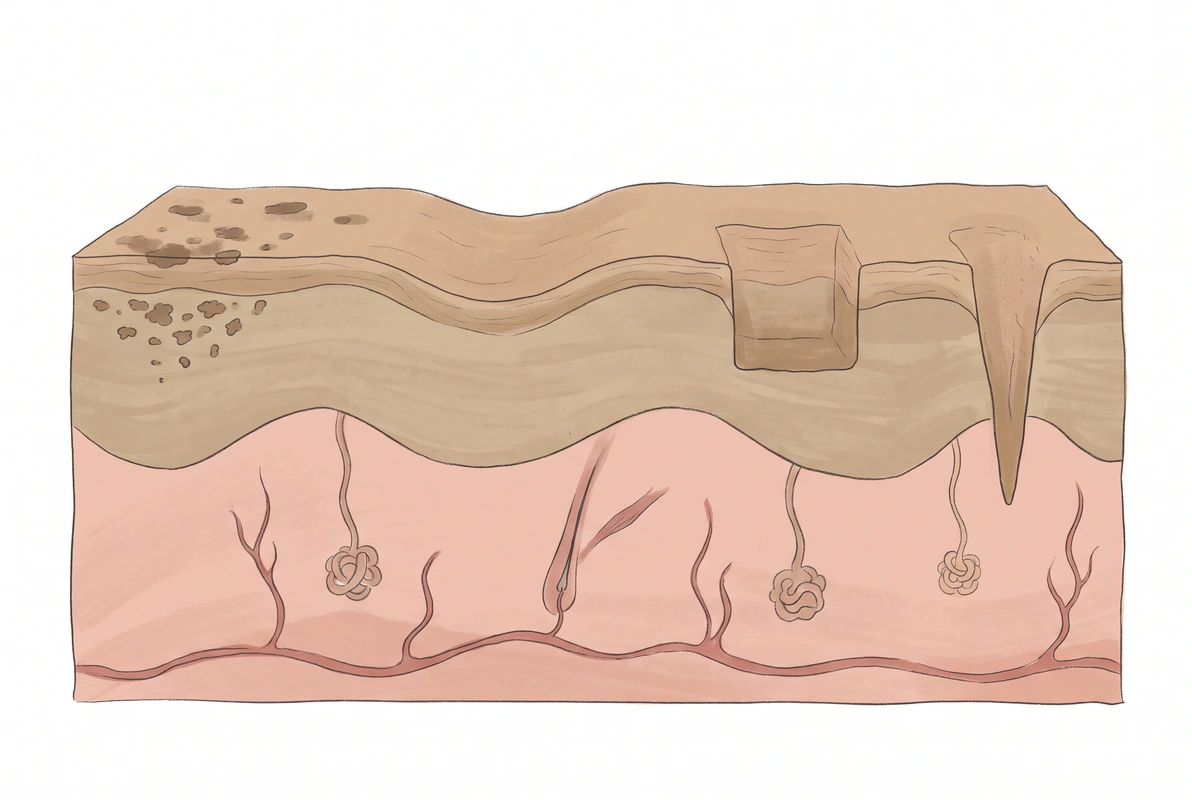
Acne leaves several kinds of marks and scars, and each one responds differently to a peel. Knowing your type helps you choose the right treatment. Many people have more than one type at the same time.
| Scar or mark | What it looks like | Does a light peel help? | Better option |
|---|---|---|---|
| Post inflammatory hyperpigmentation | Flat brown or dark marks | Yes, very well | Peel series plus sunscreen |
| Post inflammatory erythema | Flat pink or red marks | Somewhat | Time, gentle care, sometimes laser |
| Rough, uneven texture | Bumpy, dull surface | Yes | Peel series |
| Rolling scars | Wide, shallow dips with soft edges | A little | Microneedling |
| Boxcar scars | Box shaped dips with sharp edges | A little if shallow | Microneedling, medical treatments |
| Ice pick scars | Narrow, deep pits | No | Dermatologist treatments |
| Raised scars | Firm bumps above the skin | No | Dermatologist treatments |
Flat dark marks are not true scars, but they are the most common reason people search for acne scar treatment. They respond very well to a series of light peels. Clearing these marks often makes the skin look smoother overall, even before deeper scars are treated.
Can a Chemical Peel Remove Acne Scars?
A chemical peel can fade flat acne marks almost completely, but it rarely removes indented scars. It softens the edges of shallow scars and evens out the surrounding skin, so scars look less noticeable. True indented scars involve lost collagen deep in the skin, and a light peel cannot rebuild that. Setting realistic goals at the start helps you choose the right plan.
Best Chemical Peel for Acne Scars
The best chemical peel for acne scars depends on your scar type and skin tone. For dark marks and rough texture, a superficial glycolic peel is a safe, effective choice. Salicylic acid suits oily skin that still breaks out, because it clears inside pores. For deeper scars, a dermatologist may use medium depth TCA peels or a focused technique for ice pick scars, which are medical procedures.
Our guide to the types of chemical peels explains each acid and depth. At our spa, Luzmila uses a superficial glycolic chemical peel for acne marks and texture. She adjusts the timing to your skin and pairs peels with other treatments when scars are deeper.
How Many Chemical Peels Do You Need for Acne Scars?
Most people need three to six chemical peels for acne scars and marks, spaced about 4 to 6 weeks apart. Flat dark marks often fade noticeably after three sessions. Texture and shallow scars take longer and benefit from a full series. After that, maintenance peels every few months help keep skin smooth.
Results build slowly, so take photos in the same light before each session. This makes small changes easier to see. Daily sunscreen protects new skin and stops dark marks from getting darker again.
Best Chemical Peel for Acne Scars and Hyperpigmentation
When acne scars come with dark marks, a series of glycolic peels treats both the texture and the pigment at once. The peel lifts pigmented surface cells while smoothing the skin around shallow scars. This makes it a good first step for people with mixed scars and marks. Our guide to chemical peels for hyperpigmentation explains how peels fade dark spots in more detail.
Chemical Peel vs Microneedling for Acne Scars
Microneedling usually works better than a light chemical peel for indented acne scars. It creates tiny controlled channels in the skin, which trigger new collagen that slowly lifts rolling and boxcar scars. A peel works on the surface, so it is better for dark marks and texture. The AAD notes that microneedling is safe for all skin tones and is often combined with chemical peeling.
Many people get the best result by combining both treatments. A common plan alternates microneedling for scar depth with glycolic peels for tone, spaced a few weeks apart. Your provider plans the timing so your skin can recover between sessions. Our full comparison of chemical peel vs microneedling explains how to choose.
Chemical Peels for Acne Scars on Dark Skin
Chemical peels can be used safely on dark skin when the peel is gentle and the provider is experienced. Darker skin tones are more likely to develop new dark marks after irritation. Cleveland Clinic notes that darker skin tones have a higher risk of post inflammatory hyperpigmentation after a peel. Starting with a light superficial peel and strict sunscreen keeps that risk low.
Can You Get a Chemical Peel With Active Acne?
You may be able to get a gentle chemical peel with mild acne, but inflamed breakouts need to calm down first. Peeling skin over open or swollen spots can irritate them and leave new marks. If you take isotretinoin, you need to wait until your doctor says your skin has recovered before any peel. Your provider will check your skin and decide the right timing.
Frequently Asked Questions
Do chemical peels help acne scars?
Yes, chemical peels help flat acne marks and shallow scars. A series of light glycolic peels fades dark marks and smooths rough texture. Deep scars such as ice pick and boxcar scars improve only a little with a light peel and usually need microneedling or a dermatologist’s treatment.
How many chemical peels do I need for acne scars?
Most people need three to six chemical peels for acne scars and marks, spaced about 4 to 6 weeks apart. Flat dark marks may fade after three sessions, while texture and shallow scars need a full series. Maintenance peels every few months help keep results.
Is a chemical peel or microneedling better for acne scars?
Microneedling is usually better for indented acne scars because it builds new collagen under the scar. A chemical peel is better for flat dark marks and rough texture. Many people combine both, alternating treatments a few weeks apart, for the best overall result.
Can a chemical peel remove ice pick scars?
No, a light chemical peel cannot remove ice pick scars. These scars are narrow and deep, so they sit below the layer a superficial peel reaches. Dermatologists treat them with focused medical procedures. A light peel can still improve the tone and texture of the skin around them.
This article is for general education and is not medical advice. Deep, raised or changing scars should be assessed by a dermatologist.
Sources
- American Academy of Dermatology. Acne scars: consultation and treatment.
- Cleveland Clinic. Chemical peels: types of peels, conditions treated, what to expect.