
Chemical Peel Recovery Day by Day: What Your Skin Looks Like From Day 1 to Day 7
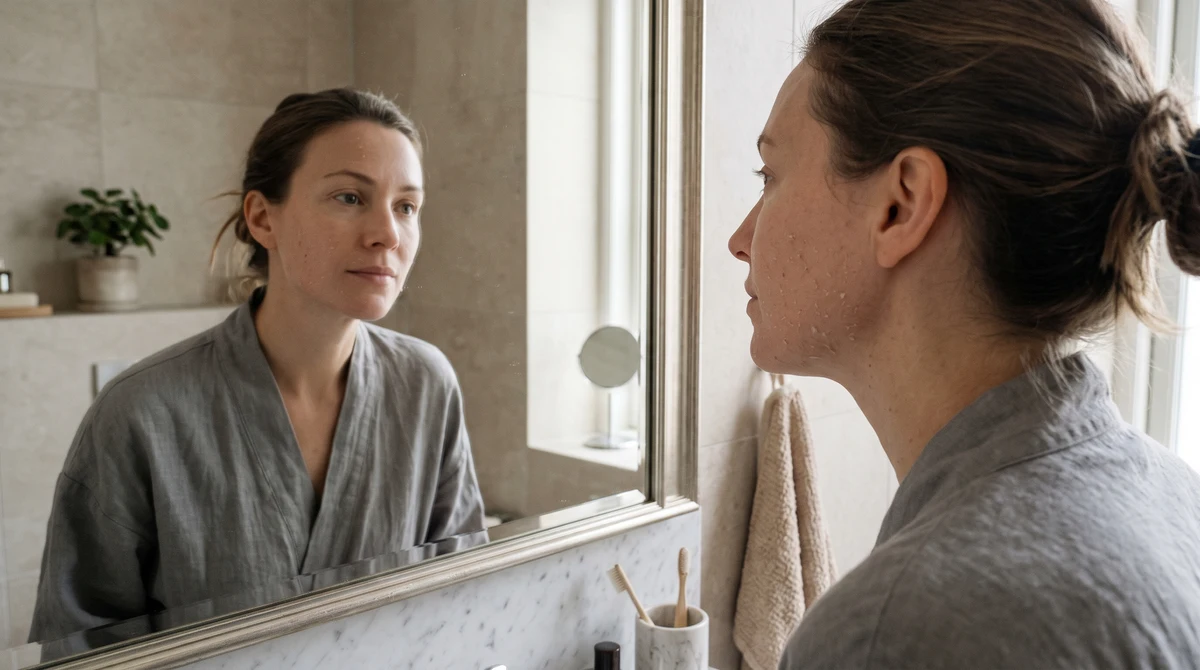
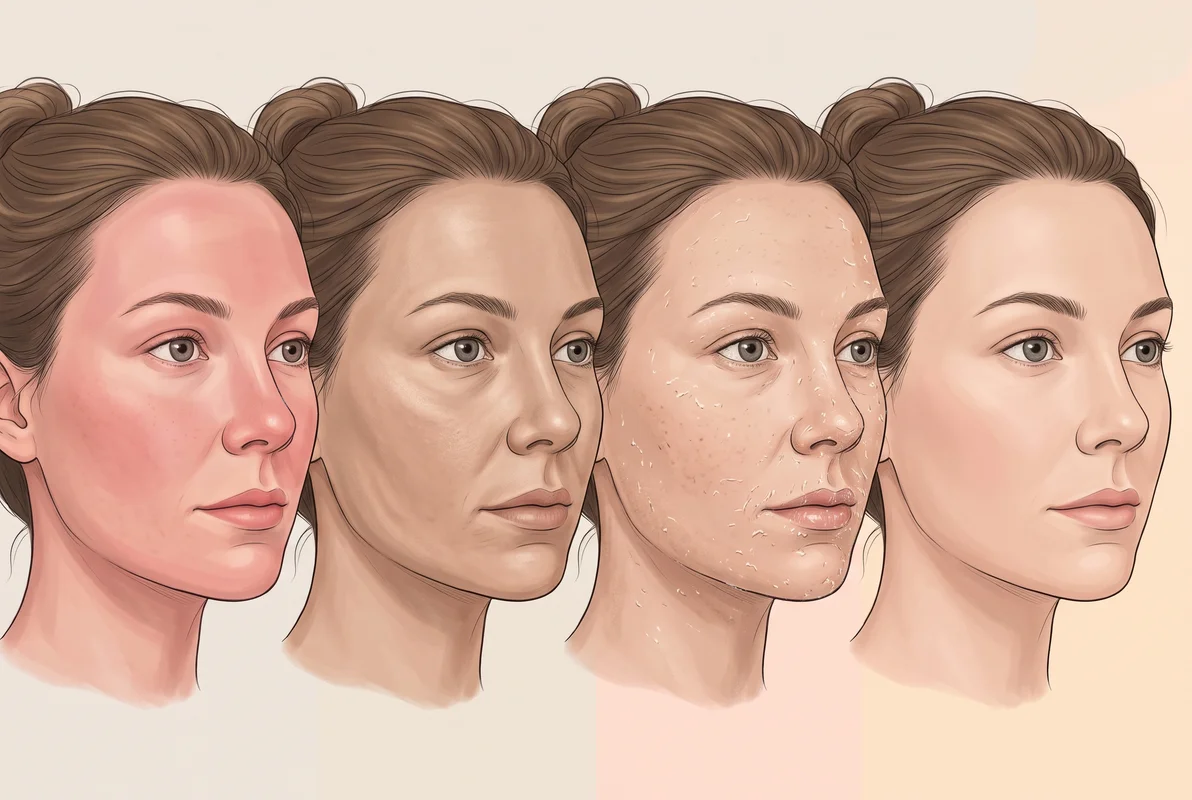
Recovery from a light glycolic chemical peel usually takes about 5 to 7 days. Your skin looks pink and feels tight on day 1, may look shiny or slightly darker on day 2, flakes or peels on days 3 to 5, and looks fresh and smooth by day 7. Medium and deep peels take much longer, from one to three weeks. The exact timeline depends on the peel depth, your skin type and how well you follow aftercare.
This guide walks through the chemical peel process day by day, so you know what is normal and what is not. It focuses on superficial glycolic peels, the type performed at our Deerfield Beach spa. It also explains how stronger peels differ, so you can compare.
How Long Does a Chemical Peel Take to Heal?
A light chemical peel takes about one week to heal, while medium and deep peels take two to three weeks or more. The American Academy of Dermatology gives healing times of 1 to 7 days for refreshing peels, 7 to 14 days for medium peels and 14 to 21 days for deep peels. Deeper peels remove more layers of skin, so the body needs more time to rebuild. That is why the recovery time is the first thing to ask about before you book. Our guide to the types of chemical peels explains each depth in more detail.
| Peel depth | Common acids | Healing time | What you see |
|---|---|---|---|
| Superficial (light) | Glycolic, lactic, mandelic, salicylic | 1 to 7 days | Pinkness, tightness, light flaking |
| Medium | TCA, combination peels | 7 to 14 days | Swelling, darkening, sheet peeling |
| Deep | Phenol | 14 to 21 days or more | Bandaging, weeks of redness |
Chemical Peel Right After Treatment
Right after a chemical peel, your skin looks pink and feels warm, a lot like a mild sunburn. Some people feel light tingling or tightness for a few hours. The color usually fades by the evening or the next morning. Your skin is clean and calm, but it is also more sensitive than usual, so the aftercare starts now.
Your esthetician will apply a soothing moisturizer and sunscreen before you leave. Keep your hands off your face and skip active products such as retinol and exfoliating acids. A gentle cleanser, a plain moisturizer and sunscreen are all your skin needs this week.
Day 1: Pink, Warm and Tight
On day 1 after a chemical peel, most people look slightly flushed and feel tight. Your face may look a little shiny or waxy, which is normal as the top layer starts to loosen. Many clients go back to work the same day. If you wear makeup, wait at least 24 hours before applying it.
Day 2: Tight, Shiny and Sometimes Darker
On day 2, skin often feels tighter and may look a bit darker or more textured. This is the old surface layer getting ready to shed, and it does not mean the peel went wrong. Dark spots can look more obvious for a day or two before they lift. Keep moisturizing whenever your skin feels dry, and do not scrub to speed things up.
Days 3 to 5: The Peeling Stage
Days 3 to 5 are when most peeling happens after a light chemical peel. Flaking usually starts around the mouth, nose and chin, where skin moves the most, then spreads lightly across the cheeks and forehead. With a superficial glycolic peel, most people see fine, dry flakes rather than large sheets. Cleveland Clinic describes scaling that lasts about 3 to 7 days after a light peel.
Do not pick, pull or peel the flakes yourself. Pulling skin before it is ready can leave raw patches and dark marks, especially on medium and deep skin tones. Let the skin shed on its own, and use a thin layer of moisturizer to soften flakes so they are less visible. If you want to know which products help most this week, see our guide on what to put on your face after a chemical peel.
Days 5 to 7: Fresh, Glowing Skin
By days 5 to 7, the peeling slows down and fresh skin shows through. Most people notice a smoother texture and a brighter, more even tone. Chemical peel results in 7 days are usually subtle but clear, especially for dullness and rough texture. Dark spots and acne marks keep fading over the following weeks.
The new skin is still delicate, so daily sunscreen matters more than ever. Sun exposure on freshly peeled skin can cause new dark spots and undo the results you just paid for. Treat SPF as part of the treatment, not an extra.
Week 2 and Beyond: Building Results
After the first week, your skin keeps renewing and results continue to build. A single light peel gives a noticeable glow, but lasting change usually takes a series. Most clients book a peel every 4 to 6 weeks for three to six sessions, depending on their goals. Each session builds on the last, so tone and texture improve step by step.
Between sessions, a gentle home routine keeps skin healthy. Use a mild cleanser, moisturizer and SPF 30 or higher every day. Restart retinol and exfoliating acids only when your skin has fully settled, usually after about a week.
Not Peeling After a Chemical Peel: Is It Working?
Not peeling after a chemical peel is normal, and it does not mean the peel failed. Light glycolic peels often cause very fine flaking that is hard to see, or no visible peeling at all. The acid still loosens dead cells and speeds up cell turnover underneath. Results come from that renewal, not from how much skin you see coming off.
Several things affect how much you peel. Skin that is well hydrated sheds in tiny flakes instead of large pieces. People who already use retinol or exfoliating acids often peel less, because their surface layer is thinner. The strength of the peel and how long it stays on the skin also play a part.
What Is Not Normal During Recovery?
Blisters, oozing, severe swelling, crusting or pain that gets worse instead of better are not normal after a light peel. Neither is redness that lasts longer than a week or dark patches that appear after the skin heals. These signs need a call to your provider so they can check your skin. Our guide to chemical peel side effects explains what each one means and when to seek care.
How to Make Recovery Easier
You can make chemical peel recovery smoother with a few simple habits. These steps help your skin heal evenly and protect your results. Most of them cost nothing.
- Wash with lukewarm water and a gentle, fragrance free cleanser.
- Apply a plain moisturizer two or three times a day, or whenever skin feels tight.
- Wear broad spectrum SPF 30 or higher every morning and reapply outdoors.
- Skip retinol, scrubs, exfoliating acids and waxing for about a week.
- Avoid saunas, hot yoga and long hot showers for the first 48 hours.
- Let flakes fall off on their own and keep your hands off your face.
Living in South Florida means strong sun almost every day of the year. A hat and shade on top of sunscreen give fresh skin extra protection during the peeling stage. Plan errands for early morning or evening when you can.
Frequently Asked Questions
How long do you peel after a chemical peel?
Most people peel for 2 to 4 days after a light chemical peel, usually between days 3 and 5. Flaking starts around the mouth and nose and spreads lightly over the face. Medium peels can peel for a week or more, and deep peels for even longer. Never pull flakes off early.
When do you start peeling after a chemical peel?
Peeling usually starts on day 2 or 3 after a light chemical peel. Before that, skin feels tight and may look shiny or slightly darker. Some people only see very fine flaking, and some do not visibly peel at all, which is still normal and does not mean the peel failed.
Does a chemical peel have downtime?
A light glycolic chemical peel has little downtime. Most people return to work the same day, with pinkness for a few hours and light flaking for a few days. Medium and deep peels need one to three weeks of downtime because they remove more layers of skin and heal more slowly.
When will I see chemical peel results?
You will usually see a brighter, smoother look about 5 to 7 days after a light chemical peel, once flaking ends. Dark spots and acne marks fade more slowly over the next few weeks. Lasting results for pigment and texture usually need a series of three to six peels spaced 4 to 6 weeks apart.
This article is for general education and is not medical advice. If your skin blisters, swells or shows signs of infection after any peel, contact your provider or a doctor.
Sources
- American Academy of Dermatology. Chemical peels: FAQs.
- Cleveland Clinic. Chemical peels: types of peels, conditions treated, what to expect.